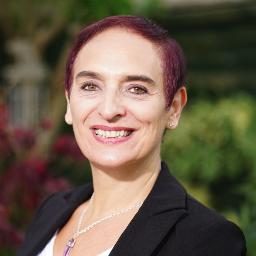
Malwina Matysek
BACP
4 years in practice BACP English, Polish
Integrative counsellor for anxiety and life change
- Stress & Anxiety
- Trauma and Abuse
- Grief
UK counsellors online
636 counsellors in the United Kingdom and Australia list ocd on their profile. A listed topic is not a specialism; each profile shows the counsellor's professional body, experience and languages.
Browse therapists who focus on obsessive-compulsive disorder (OCD) and related symptoms, each listing their specialties, approaches, languages and credentials. Use the listings below to review profiles and find a therapist whose focus and style feel like a good fit for you.
BACP
4 years in practice BACP English, Polish
Integrative counsellor for anxiety and life change
BACP
18 years in practice BACP English, Greek
Psychodynamic counsellor for diverse concerns
BACP
13 years in practice BACP
Experienced counsellor for adult mental health
BACP
5 years in practice BACP
Counsellor for anxiety, trauma and relationship issues
BACP
4 years in practice BACP English, Gujarati
Counsellor for stress, relationships and trauma
BACP
6 years in practice BACP
Counsellor for anxiety, grief and relationship issues
BACP, NCPS
14 years in practice BACP, NCPS
Counsellor for anxiety, grief and life changes
BACP
7 years in practice BACP
Counsellor for anxiety, trauma and relationships
NCPS
3 years in practice NCPS
Counsellor for anxiety, grief and relationships
BACP
20 years in practice BACP
Counsellor for stress and relationships
NCPS
6 years in practice NCPS
Counsellor for anxiety, grief and life changes
BACP
15 years in practice BACP
Experienced person-centred counsellor
BACP
9 years in practice BACP
Person-centred counsellor and psychotherapist
BACP
25 years in practice BACP
Experienced counsellor for emotional and relationship issues
BACP
5 years in practice BACP
Counsellor for stress, addictions and trauma
5 years in practice BACP
Counsellor for anxiety, trauma and life changes
BACP
4 years in practice BACP
Counsellor for anxiety, trauma and relationship issues
NCPS
11 years in practice NCPS
Person-centred counsellor for adults and teens
BACP
24 years in practice BACP
Integrated counsellor for anxiety and trauma
BACP
3 years in practice BACP
Experienced BACP counsellor working with common mental health concerns
NCPS
9 years in practice NCPS
Counsellor for anxiety, relationships and identity
BACP
5 years in practice BACP
Counselling for anxiety, depression and life changes
BACP
7 years in practice BACP
Counsellor for anxiety, depression and addictions
NCPS
4 years in practice NCPS
Counsellor for stress, anxiety and trauma
BACP, NCPS
5 years in practice BACP, NCPS English, Albanian
Integrative counsellor for anxiety and addiction
BACP
3 years in practice BACP
Counsellor for stress, mood and relationships
BACP
13 years in practice BACP
Counsellor for stress, relationships and grief
BACP
7 years in practice BACP
Counsellor for anxiety, grief and life change
BACP
4 years in practice BACP
Counselling for stress, relationships and life changes
NCPS
3 years in practice NCPS
Counsellor for stress, anxiety and relationships
BACP
20 years in practice BACP
Counsellor for stress, relationships and trauma
12 years in practice BACP
Counsellor for trauma, mood and relationship issues
BACP
16 years in practice BACP English, Russian
Counsellor for addiction and trauma issues
BACP
13 years in practice BACP
Humanistic counsellor for relationships and identity
BACP
3 years in practice BACP
Person-centred counsellor for stress and trauma
NCPS
7 years in practice NCPS
Integrative counsellor for emotional challenges
NCPS
6 years in practice NCPS
Counsellor for anxiety, relationships and life changes
NCPS
18 years in practice NCPS
Person-centred counsellor combining CBT methods
PACFA
8 years in practice PACFA
Counsellor for stress, anxiety and relationship concerns
BACP
10 years in practice BACP
Counsellor for relationships and trauma
BACP
15 years in practice BACP
Counsellor for anxiety, trauma and addictions
BACP
16 years in practice BACP
BACP counsellor specialising in student and workplace stress
BACP
8 years in practice BACP English, French
Counsellor for relationship and emotional difficulties
AASW
6 years in practice AASW English, Mandarin
Counsellor for stress, anxiety and trauma
BACP
3 years in practice BACP
Counsellor for anxiety, addictions and relationships
AASW
6 years in practice AASW
Counsellor for trauma, neurodiversity and identity
BACP
15 years in practice BACP
Counsellor for stress, addiction and trauma
BACP
6 years in practice BACP
Integrative counsellor for anxiety and relationships
Counsellor listings come from BetterHelp. We will earn a commission if you sign up through our links, at no extra cost to you.
OCD stands for obsessive-compulsive disorder, and it typically involves two core elements - intrusive thoughts or images that repeat in your mind, and behaviours or mental rituals you perform to try to ease the distress those thoughts create. Those thoughts can be about contamination, safety, morality, order, or taboo subjects, but their content varies widely from person to person. The rituals you use to reduce anxiety might be visible actions, such as checking or washing, or they may be mental strategies like counting, repeating phrases, or reviewing memories. You may recognise that the thoughts feel excessive or unwanted, yet feel driven to respond to them anyway.
OCD can affect daily routines, relationships, work, schooling and your sense of control. For some people, symptoms are intermittent and manageable. For others, symptoms take up many hours a day and create a significant burden. You might find yourself avoiding situations that trigger obsessions, reorganizing daily tasks around rituals, or feeling trapped by an ongoing cycle of distress and relief. Understanding the typical pattern of obsessions and compulsions can help you identify whether targeted therapeutic support could reduce the role these symptoms play in your life.
If your thoughts repeatedly intrude and compel you to act in ways that interfere with your goals, relationships or daily functioning, therapy can offer ways to change that cycle. You might benefit from therapy if you notice that rituals take increasing amounts of time, if avoidance narrows what you do each day, or if attempts to stop rituals only increase your anxiety. You may also seek help when symptoms cause shame, fear of judgment, decreased productivity, or strain with loved ones. Sometimes people come to therapy when they are uncertain whether their pattern of thinking is unusual - a therapist can help clarify what is happening and outline possible next steps.
Another sign that therapy could be useful is if self-help strategies have not reduced symptoms. You might have tried distraction techniques, general stress management, or cut down on certain behaviours and found gains to be limited. Therapy offers structured ways to learn new responses to intrusive thoughts and to practice them with guidance. Family members sometimes seek support as well when they notice repetitive checking, avoidance, or conflicts about rituals affecting the household. In those situations, therapy can support healthier patterns for everyone involved.
When you begin working with a therapist who focuses on OCD, initial sessions typically involve a thorough conversation about your experience - the types of thoughts that trouble you, the rituals you use, how long symptoms have been present, and the ways symptoms affect your life. You and your therapist will work together to set goals that reflect what you want to change - for example, reducing the time spent on compulsions, returning to activities you avoid, or easing the distress that intrusive thoughts create.
Therapy sessions tend to be active and skill-focused rather than only reflective. You can expect to learn techniques to observe and respond to intrusive thoughts without automatically performing rituals. Homework between sessions is common because practicing new responses in everyday settings is how change often happens. Some therapists integrate behavioural experiments and exposure exercises into sessions and in real-world practice - these exercises are introduced carefully and paced to match your readiness. Your therapist will also help you track progress and adjust strategies if certain approaches are not helping as expected. Throughout therapy, the emphasis is on learning practical skills you can use outside sessions to reduce the hold that obsessions and compulsions have on your days.
Various therapeutic approaches may be part of treatment for obsessive-compulsive symptoms. A frequent focus is exposure and response prevention, often abbreviated ERP, which involves gradually facing triggers for obsessional anxiety and refraining from the rituals that usually follow. Many therapists who work with OCD list exposure and response prevention (ERP) among their approaches because it targets the cycle of avoidance and ritual that maintains symptoms. Cognitive-behavioural strategies that explore the meaning you assign to thoughts and the beliefs that drive rituals are also commonly used, and you might see therapists who list cognitive-behavioural therapy (CBT) among their approaches.
Other clinicians list acceptance and commitment therapy (ACT) among their approaches, which emphasises changing your relationship with thoughts so they have less influence over your actions. Mindfulness-based techniques are sometimes included to help you observe intrusive thoughts without responding automatically. In addition, some therapists list family systems or couples approaches among their methods to address how rituals affect close relationships and to involve loved ones in supportive strategies. When you review profiles, pay attention to how therapists describe their use of these approaches and whether they explain how those methods might fit your situation.
Online therapy offers many of the same core components as in-person care, while adding flexibility to meet you where you are. Sessions typically occur over video or phone so you can connect from home, a workplace, or another setting that works for you. If you choose remote care, your therapist can guide exposures that happen in your everyday environment - practicing skills in the same places where triggers arise can make learning more directly transferable to daily life. You may also receive worksheets, audio exercises, or guided practices between sessions through email or text-based messaging tools provided by a clinician's practice.
Technology makes it easier to attend sessions when travel, mobility, or scheduling are barriers, and it can expand your options for finding a therapist who lists OCD among their specialties. Some people prefer in-person meetings for initial sessions or for particular exercises, while others find the convenience of online work helps them stick with treatment. When using online care, it is helpful to prepare a quiet, distraction-free space and to check that your device supports reliable internet and audio. You might also ask prospective therapists about how they structure remote sessions and how they support work between meetings so you have a clear sense of what to expect.
Finding a therapist who feels like a good match often begins with looking at the focus areas, approaches, credentials and experience listed in profiles. Seek therapists who explicitly mention working with obsessive-compulsive symptoms and who describe how they apply approaches such as exposure and response prevention or cognitive-behavioural techniques in practice. Pay attention to language about collaboration and pacing - many people benefit from a therapist who explains the rationale for exercises and checks in about comfort and readiness along the way. Consider what logistical factors matter to you, such as session length, whether you prefer remote or in-person work, language needs, and whether the therapist describes experience with relevant life stages or cultural contexts.
When you review profiles, look for descriptions that explain typical session flow, expected homework, and how progress is measured. You can prepare a brief list of questions to ask during an initial outreach or consultation - for example, how the therapist conceptualizes OCD, what a typical course of therapy looks like, and how they include family members or partners if that feels relevant. Pricing, insurance, and cancellation policies are practical matters to confirm up front. Ultimately you want someone whose approach, communication style and written descriptions resonate with you, because a collaborative relationship increases the likelihood you will engage consistently with the work and see meaningful changes over time.
Choosing a therapist is a personal decision, and taking time to compare specialties, approaches and professional backgrounds can help you identify a clinician who matches your needs. The profiles in the listings below are a place to begin your search and to learn more about therapists who list OCD among their areas of focus.