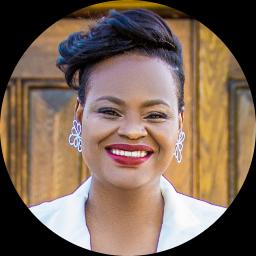
Malwina Matysek
BACP
4 years in practice BACP English, Polish
Integrative counsellor for anxiety and life change
- Stress & Anxiety
- Trauma and Abuse
- Grief
UK counsellors online
602 counsellors in the United Kingdom and Australia list men's issues on their profile. A listed topic is not a specialism; each profile shows the counsellor's professional body, experience and languages.
This page lists mental health professionals who note men's issues among their specialties. Browse the listings below to review each clinician's focus areas, therapeutic approaches, credentials, languages and experience.
BACP
4 years in practice BACP English, Polish
Integrative counsellor for anxiety and life change
NCPS
3 years in practice NCPS
Counsellor for anxiety and life changes
BACP
18 years in practice BACP English, Greek
Psychodynamic counsellor for diverse concerns
5 years in practice BACP
Counsellor for stress, relationships and trauma
BACP
5 years in practice BACP
Counsellor for anxiety, trauma and relationship issues
BACP
3 years in practice BACP
Relational counsellor for stress and relationships
BACP
6 years in practice BACP
Counsellor for anxiety, grief and relationship issues
BACP
27 years in practice BACP English, Punjabi
Experienced counsellor for relationships and addiction
BACP
7 years in practice BACP
Counsellor for anxiety, trauma and identity
BACP
3 years in practice BACP English, Punjabi
Counsellor for stress, anxiety and trauma
BACP
15 years in practice BACP
Experienced person-centred counsellor
BACP
6 years in practice BACP
Counsellor for anxiety, addiction and relationships
BACP
9 years in practice BACP
Person-centred counsellor and psychotherapist
BACP
25 years in practice BACP
Experienced counsellor for emotional and relationship issues
NCPS
9 years in practice NCPS English, Dutch
Counsellor for anxiety and life change
NCPS
13 years in practice NCPS
Counsellor for anxiety, relationships and parenting
5 years in practice BACP
Counsellor for anxiety, trauma and life changes
BACP, NCPS
5 years in practice BACP, NCPS English, Greek
Integrative counsellor for anxiety and relationships
BACP
4 years in practice BACP
Counsellor for anxiety, trauma and relationship issues
NCPS
11 years in practice NCPS
Person-centred counsellor for adults and teens
BACP
3 years in practice BACP
Experienced BACP counsellor working with common mental health concerns
NCPS
9 years in practice NCPS
Counsellor for anxiety, relationships and identity
8 years in practice BACP
Counsellor for relationships and life changes
BACP
5 years in practice BACP
Counselling for anxiety, depression and life changes
BACP
7 years in practice BACP
Counsellor for anxiety, depression and addictions
NCPS
4 years in practice NCPS
Counsellor for stress, anxiety and trauma
BACP
5 years in practice BACP
Counsellor for trauma and relational problems
BACP, NCPS
5 years in practice BACP, NCPS English, Albanian
Integrative counsellor for anxiety and addiction
BACP
3 years in practice BACP
Counsellor for stress, mood and relationships
BACP
13 years in practice BACP
Counsellor for stress, relationships and grief
BACP
4 years in practice BACP
Counselling for stress, relationships and life changes
NCPS
3 years in practice NCPS
Counsellor for stress, anxiety and relationships
BACP
5 years in practice BACP
Counsellor for anxiety, depression and addictions
BACP
20 years in practice BACP
Counsellor for stress, relationships and trauma
BACP
13 years in practice BACP
Humanistic counsellor for relationships and identity
BACP
6 years in practice BACP
Counsellor for anxiety, relationships and life change
3 years in practice BACP
Counsellor for anxiety, stress and relationships
BACP
3 years in practice BACP
Person-centred counsellor for stress and trauma
NCPS
18 years in practice NCPS
Person-centred counsellor combining CBT methods
PACFA
8 years in practice PACFA
Counsellor for stress, anxiety and relationship concerns
BACP
3 years in practice BACP English, Tamil
Integrative counsellor for anxiety and relationships
BACP
10 years in practice BACP
Counsellor for relationships and trauma
AASW
6 years in practice AASW English, Mandarin
Counsellor for stress, anxiety and trauma
BACP
3 years in practice BACP
Counsellor for anxiety, addictions and relationships
BACP, NCPS
5 years in practice BACP, NCPS
Counsellor for anxiety, relationships and addiction
BACP
15 years in practice BACP
Counsellor for stress, addiction and trauma
BACP
13 years in practice BACP
Counsellor for anxiety, trauma and relationships
BACP
6 years in practice BACP
Integrative counsellor for anxiety and relationships
Counsellor listings come from BetterHelp. We will earn a commission if you sign up through our links, at no extra cost to you.
Men's issues covers a broad set of concerns that can show up at different stages of life. For some people the focus is on relationships - difficulty communicating with a partner, patterns that repeat from past relationships, or stress around dating and intimacy. For others the primary challenges are related to identity and role expectations - questions about what it means to be a man in your social or cultural context, pressure to meet perceived norms, or conflict between personal values and external expectations. Work and career stress, fatherhood and parenting transitions, grief, anger management, substance use concerns and trauma are also commonly part of what therapists treat under the heading of men's issues.
These matters often affect your daily functioning in ways that can feel confusing or isolating. You may notice changes in mood, motivation, sleep or energy. You may withdraw from friends or avoid situations that once felt manageable. Relationships can strain under the weight of unresolved anger, communication patterns, or unmet emotional needs. Recognising that these patterns are common and that support exists can be the first practical step toward change.
You might consider therapy if persistent patterns are reducing the quality of your relationships or your sense of wellbeing. If you find yourself repeatedly reacting with anger or shutting down emotionally, or if intimacy feels blocked by anxiety or self-criticism, those are clear signals that targeted work could help. Other signs include ongoing difficulties with trust, repeated conflicts at home or work, difficulty adapting to parenting roles, struggles with identity or purpose, or turning to alcohol or other substances to manage feelings.
You do not need to wait for a crisis to reach out. Therapy can be useful when you want new strategies to communicate, to set healthier boundaries, to process past hurts that keep resurfacing, or to explore identity and roles in a thoughtful way. If you notice that everyday coping strategies are no longer sufficient or that emotions are impacting your job, relationships or health, connecting with a therapist who lists men's issues as a focus could provide practical support.
When you start therapy for men's issues, the first sessions typically involve assessment and goal setting. Your therapist will likely ask about your history, current stressors, relationship patterns and what you hope to accomplish. This process creates a shared map of priorities so that each session can address what matters most to you. You can expect a collaborative approach where you and the therapist identify small, achievable steps alongside deeper work on emotions and patterns.
Clinical work may balance practical skills and emotional exploration. In-session, you might practice communication strategies, role-play difficult conversations, or learn techniques to manage intense emotions. At the same time, you may explore how early relationships, cultural messages about masculinity, or past traumas influence present behaviour. Progress is often gradual; you may notice better communication, fewer emotional outbursts, more clarity about your goals, or improved relationships as you apply new habits outside session time.
Sessions commonly last 45 to 60 minutes and occur weekly or biweekly, though rhythm varies based on your needs and the therapist's approach. In therapy you set the pace. Some weeks may focus on practical problem solving, while other periods are reserved for deeper emotional processing. A clear advantage of a therapist who concentrates on men's issues is familiarity with themes that frequently arise for men, which can make it easier to address role expectations and culturally influenced behaviours in a focused way.
Therapists bring a range of approaches to work with men's issues. You may find clinicians who use cognitive-behavioural methods to help you identify and change patterns of thinking and behaviour that contribute to stress or relationship problems. Others emphasise emotion-focused work to deepen awareness of feelings and to learn new ways of expressing vulnerability. There are therapists who list psychodynamic approaches among their methods, which can help you trace recurring life themes back to earlier experiences and make different choices in the present.
Some therapists describe integrating mindfulness-based practices or acceptance strategies to reduce reactivity and increase present-moment clarity. If trauma is part of your story, you may see therapists who list trauma-informed approaches among their options. When reading profiles, note how clinicians describe their approach - many will state which methods they use and how they tailor them to men's experiences. Remember that descriptions of approaches are not a statement of formal certification - they indicate the techniques a clinician may bring to sessions and how they might frame the work with you.
Online therapy has become a common way to access care, and it can be well suited to many aspects of men's issues work. You can meet with a therapist from a location that feels comfortable to you, using video or audio calls. Remote sessions allow you to fit therapy into a busy schedule without travel time, and they can make it easier to maintain continuity during life transitions such as relocation or travel. Many therapists who list men's issues as a specialty offer remote sessions and will describe their preferred communication format on their profile.
To get the most from online therapy, choose a quiet place where you can speak freely and minimise interruptions. Prepare for sessions much as you would for in-person work - reflect on what you want to address, consider goals between meetings, and be open about how the format is working for you. If technical glitches happen, a therapist will typically have a backup plan such as switching to a phone call. Online work can still involve experiential techniques, reflective conversation and skills practice, and many people find it an effective route to meaningful change.
Choosing a therapist is a personal decision and a practical process. Start by looking for clinicians who explicitly list men's issues as a focus. Read their profiles to learn about the populations they work with - some therapists emphasise relationships and intimacy, others centre on anger management or fatherhood transitions, and some highlight work with identity and cultural expectations. Pay attention to the languages they offer and any notes about lifespan experience that match your stage of life.
Consider how a therapist describes their approach. If you want skills-based work, look for descriptions mentioning practical tools and strategies. If you need support processing deep emotions or past trauma, prioritise clinicians who discuss emotion-focused or trauma-informed approaches. Look for indications of the therapist's background in working with men and masculinity-related concerns, and think about whether you prefer a therapist who incorporates cultural, racial or sexual identity perspectives into their work.
When you find profiles that appeal, prepare a short list of questions to help you assess fit - for example, how they approach relationship issues, how they work with anger, or how they support transitions into fatherhood. You should feel comfortable discussing these topics openly during an initial conversation. Trust your sense of whether a therapist listens, responds in a way that feels respectful to your experience, and offers a clear rationale for their approach. A good fit is often indicated by a balance of empathy and practical direction, and by a sense that your goals are understood and prioritised.
Finding the right therapist is an investment in your wellbeing and relationships. With focused searching and attention to the approach and experience described in profiles, you can connect with a professional who understands men's issues and can help you develop skills and insights that lead to tangible improvements. Use the listings above to compare approaches, focus areas, credentials and languages, and take the first step toward focused support that fits your life and goals.